




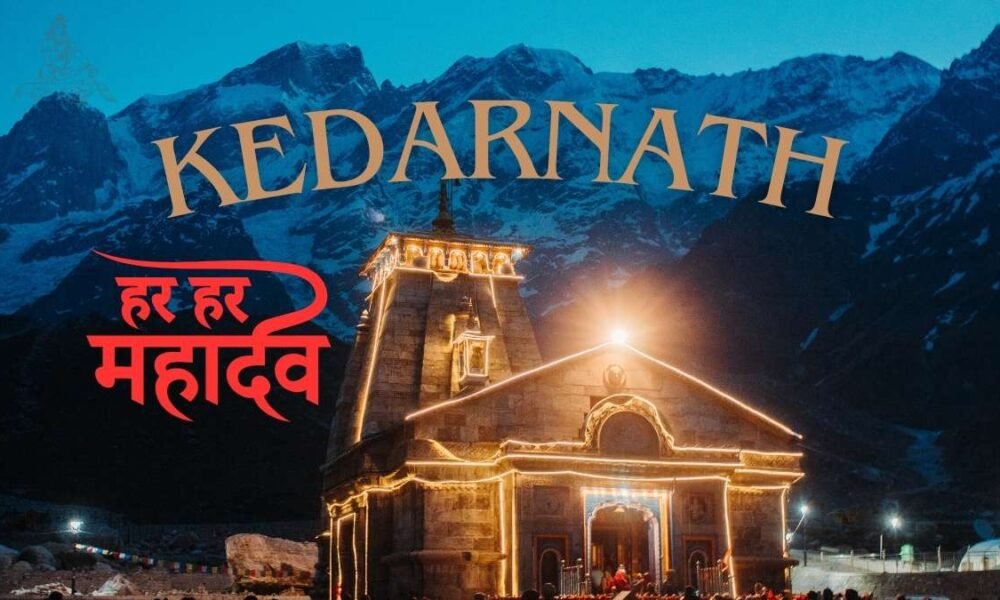
Introduction: Mysteries of the Majestic Kedarnath Dham
Nestled in the heart of the Garhwal Himalayas, Kedarnath is more than just a spiritual destination; it’s a confluence of mystique, natural beauty, and rich history. Known for its ancient temple dedicated to Lord Shiva, Kedarnath attracts thousands (now lakhs) of pilgrims and adventurers yearly. But what lies beyond the religious significance of this sacred town? Join us as we unravel the mysteries, provide you with essential trip-planning tips, update you on the current situation, and delve into the management “efforts” that sustain Kedarnath.
Ready to embark on an unforgettable journey? Let’s dive in!

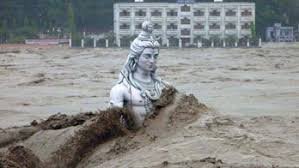
Table of Contents
Mysteries of Kedarnath
The Legends and Myths
Kedarnath is shrouded in legends dating back to the Mahabharata. According to the epic, the Pandavas sought Lord Shiva to absolve their sins after the Kurukshetra war for they were feeling guilty for killing their blood. Shivji eluded them by transforming into a bull because he was not ready to forgive them, and when discovered by Bhim, he dived into the ground, leaving behind a hump. This hump is believed to be the site where the Kedarnath Temple stands today. This hump is worshipped in the form of Shiv Lingam today.
The Unsolved Mysteries
- The Immortal Light: It is said that a lamp burns continuously inside the temple, without any apparent source of fuel. Devotees believe this to be a divine phenomenon.
- Natural Phenomena: The temple survived the devastating 2013 flash floods, with a massive rock diverting the waters and saving the temple. This event is often seen as a miraculous intervention by the divine.
- Surviving mini Ice Age: The mystical temple of Kedarnath was built by Adi Shankaracharya in the 8th Century, after which the temple, survived the Little Ice Age, a period between 1300–1900 AD when much of the Earth was covered in snow. The temple was buried under snow for nearly 400 years and became part of glaciers. However, it emerged from the ice age without any major damage due to its sturdy construction and glacial movement.
Trip Planning: Your Ultimate Guide
Best Time to Visit
Kedarnath is accessible only from late April to November, as heavy snowfall cuts off the region during winter. The best months to visit are May to June and September to October, avoiding the monsoon season. Book your registration beforehand.
How to Reach Kedarnath
- By Air: The nearest airport is Jolly Grant Airport in Dehradun, about 239 km from Kedarnath.
- By Rail: The nearest railway station is Rishikesh, approximately 216 km away.
- By Road: Gaurikund is the last motorable point, from where a 16 km trek leads you to Kedarnath.
Trek, Ponies, Palki, or Helicopter?
Trek: If you want to enjoy the scenic landscapes in and around the valley you can opt for trekking. But, if you’re trekking remember to start early as after 2:00 PM you’re not allowed to enter the Ghat section for trekking. Also, the trekkers should keep in mind to take at least one day extra or stay overnight at Kedarnath only to avoid any risks. The weather can change in minutes so it is better to keep extra days in hand as Yatra also closes down sometimes.
Ponies or Palkis: The rates of ponies and palkis are decided by the government every year and Parchi can be taken from the counters. However, the rates of Ponies for both sides (up and down) almost come around Rs.5K per person. (Keep cash handy as UPI may or may not work) The rates of palki for both sides almost amount up to Rs.12-15K.
Helicopter: Helicopter bookings are officially done in advance from the IRCTC website. If you plan to get helicopter tickets directly then it may cost you a lot and getting tickets is not guaranteed also. Anyhow, booking advance tickets for the helicopter will cost you around Rs.5K, which is equal to taking ponies. It is very time-efficient and safe. There are helipads at Phata, Jungle Chatti, Lin Chauli, and Bheem Bali.
Accommodation
From basic lodges to comfortable guesthouses, Gaurikund and the Kedarnath area offer various options to suit different budgets. Booking in advance is highly recommended, especially during the peak season. As prices are very high if you book directly.
Essential Tips
- Acclimatize: Spend a day in Gaurikund to acclimatize to the altitude.
- Pack Wisely: Carry warm clothing, waterproof gear, Gloves, Umbrella, Raincoat, sturdy trekking shoes, and essential medications.
- Stay Hydrated: The high altitude can lead to dehydration. Drink plenty of water.

Current Situation
Post-2013 Developments
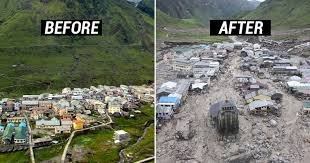
The catastrophic floods of 2013 led to massive reconstruction efforts. The Kedarnath Temple and surrounding areas have been rebuilt, with improved infrastructure and better facilities for pilgrims.
COVID-19 Impact
The pandemic brought new challenges, with strict protocols in place for pilgrims. As of now, the situation has stabilized, but visitors after the pandemic he number of Yatris have increased to lakhs every year.
Management and Preservation Efforts
Sustainable Tourism Initiatives
The Uttarakhand government has taken significant steps to promote sustainable tourism in Kedarnath. Efforts include:
- Waste Management: Introduction of eco-friendly waste disposal systems.
- Renewable Energy: Implementation of solar power projects to meet energy needs.
- Biodiversity Conservation: Measures to protect the fragile Himalayan ecosystem.
None of these initiatives are looked after, the valley of Kedarnath is holy but currently, with lakhs of visitors visiting every year the valley has lost its essence and purity. Yatra is supposed to be for family, Senior Citizens, and people who are coming to fulfill their penance in some form but recently, Kedarnath has been treated like a tourist place. Youngsters are smoking, drinking alcohol, and littering here and there. There are almost 1000s of people who come every day without any prior registration.
The valley can accommodate a maximum of 5-6k people every day, but as per the government maximum of 13k can visit every day and in actuality, almost 25k people visit the valley every single day.
Disaster Management
In the wake of the 2013 floods, a robust disaster management system has been established, including early warning systems, better road connectivity, and enhanced safety protocols for trekkers. Although, after so much development the way to go up and down the valley is the same for trekkers, ponies, and people who take handis and palkis. The way up and down at some points is almost just 2 feet broad and still, everyone walks that path because no one is stopping the excess yatris from coming and hotels are charging up to 6-10k for one small room or tent.
The management of the Kedarnath is not good enough and seeing the current circumstances no one can stop a disaster like 2013 from happening again, because we’re all taking Mother Nature very lightly and disrespecting it.
Conclusion: Embark on Your Kedarnath Adventure
Kedarnath is a destination that offers spiritual solace, awe-inspiring natural beauty, and a peek into the mysteries of ancient India, but it is not a tourist place. So if you are a pilgrim seeking divine blessings then come prepared for this trip but if you are an adventurer looking for a thrilling trek, please go on and try some other treks.
Are you ready to save the enigmatic Kedarnath? Start taking small steps to make people around you aware and save the valley from another disaster.
Call to Action
Don’t miss out on the chance to read more about one of India’s most mystical destinations. Share this blog with your friends and family, and start planning your Kedarnath journey (if necessary) now! Follow our page for more travel tips and updates. Happy travels! Har Har Mahadev!